
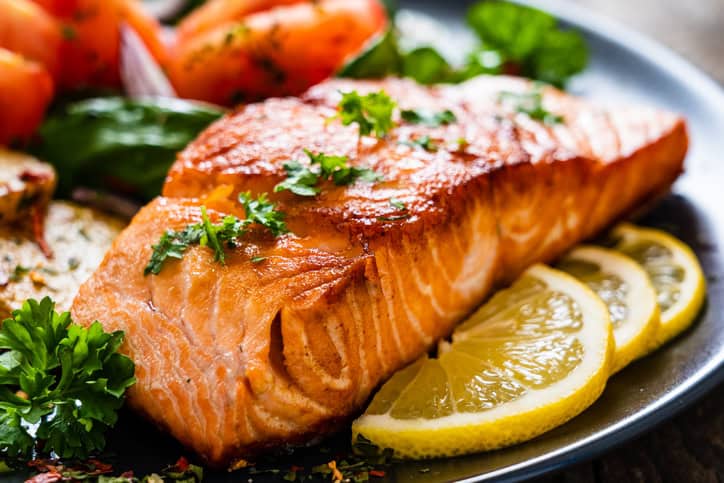
The proven health benefits of eating salmon regularly go far beyond omega-3s, especially when salmon is part of a simple, repeatable weekly routine.
When I want an easy “healthy swap” that actually makes my meals feel more satisfying, salmon is one of my go-to choices. It’s filling, tastes great with simple seasoning, and pairs well with almost any side, from rice to roasted veggies.
When I say I eat salmon regularly, I mean about 1 to 2 times per week, not every day. That’s realistic for most schedules and budgets, and it’s enough to make a difference in my overall eating pattern.
One quick expectation check: salmon helps, but it’s not a magic food. The benefits depend on the type of salmon you buy, how you cook it, and what the rest of your plate looks like.
Key Takeaways
- Salmon provides omega-3 fats and high-quality protein in one serving.
- Eating it 1 to 2 times per week can support heart, brain, and recovery goals over time.
- How I cook it matters; I keep oils and sugary glazes in check.
- I get the best results when salmon is part of a balanced plate, not the whole plan.
Table of Contents
Why salmon is so healthy: what’s inside it
Salmon is basically a “two-for-one” food. I get solid protein (for fullness and muscle building) and healthy fats (for heart and brain support) without needing a complicated recipe.
Why the Health Benefits of Eating Salmon Regularly Add Up Over Time
It also provides beneficial micronutrients, like vitamin D and selenium, that many people don’t get enough of from day-to-day meals. If you’ve been trying to eat better without feeling like you’re living on salads, this is one of the simplest upgrades I’ve found.
This is the core of the health benefits of eating salmon regularly: it’s nutrient-dense, satisfying, and easy to build meals around.
If you want a deeper nutrition rundown, I like the overview in the Cleveland Clinic’s salmon benefits guide.
Omega-3s (EPA and DHA) for your heart, brain, and joints
Omega-3s are “healthy fats,” and salmon is famous for them. The two you’ll hear about most are EPA and DHA. I think of them as supportive building blocks; they help my body run smoothly, especially when life gets stressful or training volume goes up.
What people often care about in real life is pretty simple:
- Supporting healthy triglycerides already in a normal range
- Supporting brain function like focus and mental sharpness
- Helping with day-to-day stiffness and joint comfort
I keep my expectations realistic here. Omega-3s don’t “fix” everything overnight, but they can support how I feel when I’m consistent.
High-quality protein that helps me stay full and support muscle growth
protein-rich foods to build muscle
Salmon is also a strong protein choice. Protein helps repair muscle after workouts and keeps me full longer, which helps calm my snack cravings.
A salmon fillet is a strong protein choice, like chicken, and it also contains healthy fats. When I’m trying to manage portions, that combo is a big deal because I’m not hunting for food an hour later.
Health Benefits of Eating Salmon Regularly
This is where salmon earns its place in my weekly rotation. I don’t eat it because it’s “perfect,” I eat it. After all, the benefits show up in ways I can actually notice or track.
Heart health support with healthy fats
When I eat salmon consistently, I feel like I’m doing my heart a favor without needing a complicated plan. Omega-3s support the body’s normal inflammation response, and they can help support healthy blood fat balance.
In plain terms, it can support healthy cholesterol and triglyceride levels, especially when paired with bright sides (think veggies, beans, potatoes, brown rice). If I eat salmon but drown it in sugar glaze and serve it with fries, the math changes.
For another straightforward explanation of how salmon can fit into a heart-supportive diet, I’ve also referenced Healthline’s salmon nutrition and benefits article.
Brain and mood support that builds over time
DHA is a major fat found in the brain, and salmon is one of the easiest ways to get it through food.
What I notice is subtle, not dramatic. When my weekly meals include salmon, I feel more “steady.” That can mean better focus during work, less brain fog, and a more even mood. Results vary a lot person to person, but consistency matters more than perfection.
If you want the “what happens in your body” view, EatingWell’s take on salmon is a helpful read.
Better recovery after workouts and less day-to-day inflammation
This is a big one for me. If I’m lifting, doing long walks, or just dealing with the everyday aches of adult life, salmon tends to fit right in.
Omega-3s can support the body’s normal inflammation response. That doesn’t mean soreness disappears, but it can tell I feel a little less creaky, and I bounce back a bit easier when my training is steady.
I also like salmon as a “recovery meal” because it’s protein, fat, and flavor. It doesn’t feel like diet food.
Skin, hair, and eye support from healthy fats and key nutrients
Salmon isn’t a beauty product, but nutrients still show up on the outside. Healthy fats can support skin moisture and give that “less dry” look.
I also like that salmon contains nutrients linked to eye and immune health, such as vitamin D and selenium. Some types of salmon (especially sockeye) contain astaxanthin, a natural pigment that acts as an antioxidant. Again, not a miracle, but helpful support when the rest of my habits are decent.
How I eat salmon safely and get the most benefits
I keep this part practical. My goal isn’t to turn dinner into a science project; it’s to get the benefits without loading on extra calories, sodium, or sugar.
A few things I watch:
Added oils: A light brush is plenty.
Sugary glazes: They’re fine sometimes, but they can turn a healthy meal into dessert.
Sodium: Smoked and pre-seasoned salmon can be high in sodium, so I balance the rest of the day.
Mercury: Salmon is generally considered a lower-mercury fish, but I still like variety across the week.
If you want official guidance on mercury and “best choices,” the FDA’s fish advice is a helpful reference.
How often to eat salmon, and what a serving looks like
For most people, 1 to 2 servings per week is a solid target. One serving is usually palm-sized, roughly 3 to 6 ounces cooked.
Needs vary by age, pregnancy status, and health conditions, so if you’re unsure what’s best for you, check in with a clinician. I also rotate other proteins, so salmon stays a habit I can keep.
For general guidance, the American Heart Association recommends about two servings of fish per week (especially fatty fish).
Wild vs farmed, fresh vs canned, and best cooking methods
I don’t overthink this. I buy what I’ll actually cook.
- Wild vs farmed: Wild often has a stronger flavor and can be leaner. Farmed can be more budget-friendly and still provides omega-3s. Both can fit.
- Fresh vs frozen: Frozen is underrated, and it’s often fresher than “fresh.”
- Canned salmon: Great for salmon salads and quick lunches. I pay attention to sodium.
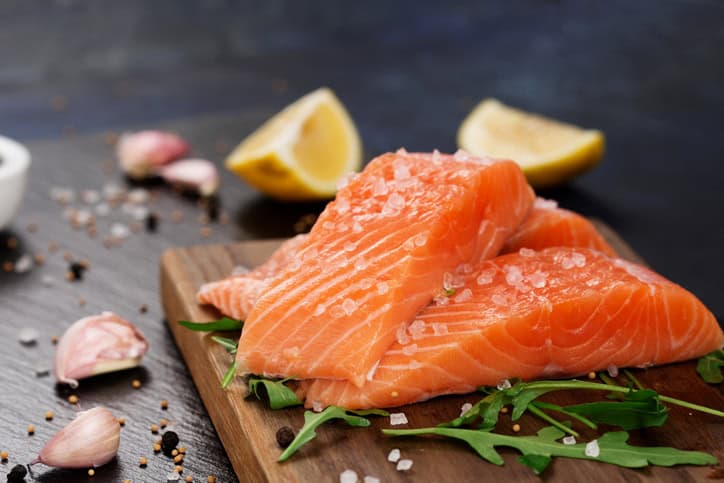
Cooking method matters more than people think. I stick to baking, air frying, grilling, or a quick pan-sear, and I keep the oil to a minimum. Simple seasonings (salt, pepper, garlic, lemon) make it easy to repeat weekly.
If you want a simple way to build a balanced plate around salmon, I follow the basics outlined in these clean-eating tips for beginners.
And if you want more easy meal ideas like this, you can join my email list here: https://fitwithgreg.com/newsletter/
FAQ
How often should I eat salmon for health benefits?
For most people, 1–2 servings per week is a realistic, sustainable habit. If you’re pregnant, breastfeeding, or have specific medical concerns, follow clinician guidance and choose a variety of lower-mercury seafood options.
How often should I eat salmon for health benefits?
For most people, 1–2 servings per week is a realistic, sustainable habit. If you’re pregnant, breastfeeding, or have specific medical concerns, follow clinician guidance and choose a variety of lower-mercury seafood options.
Is it okay to eat salmon every day?
Some people do, but I don’t. I prefer 1 to 2 times per week and rotate other proteins. Variety helps cover more nutrients and keeps meals from getting boring.
Is it okay to eat salmon every day?
Some people do, but I don’t. I prefer 1 to 2 times per week and rotate other proteins. Variety helps cover more nutrients and keeps meals from getting boring.
What’s the healthiest way to cook salmon?
For me, it’s baking or air-frying with a bit of oil and simple seasoning. The big win is avoiding heavy breading, deep frying, and sugary sauces most nights.
What’s the healthiest way to cook salmon?
For me, it’s baking or air-frying with a bit of oil and simple seasoning. The big win is avoiding heavy breading, deep frying, and sugary sauces most nights.
Is canned salmon still healthy?
Yes. It’s usually high in protein and still contains omega-3 fatty acids. I check the label for sodium, then pair it with foods high in fiber, such as beans, veggies, or whole grains.
Is canned salmon still healthy?
Yes. It’s usually high in protein and still contains omega-3 fatty acids. I check the label for sodium, then pair it with foods high in fiber, such as beans, veggies, or whole grains.
Is wild salmon healthier than farmed salmon?
Both can be healthy choices. Wild salmon is often leaner, while farmed salmon can be more budget-friendly and still provides omega-3s and protein. The best option is the one you’ll actually eat consistently.
Is wild salmon healthier than farmed salmon?
Both can be healthy choices. Wild salmon is often leaner, while farmed salmon can be more budget-friendly and still provides omega-3s and protein. The best option is the one you’ll actually eat consistently.
What’s the best way to cook salmon to keep it healthy?
Baking, air frying, grilling, steaming, or a quick pan-sear are great options. The biggest “health swing” is avoiding heavy breading, deep frying, and sugary sauces most nights.
What’s the best way to cook salmon to keep it healthy?
Baking, air frying, grilling, steaming, or a quick pan-sear are great options. The biggest “health swing” is avoiding heavy breading, deep frying, and sugary sauces most nights.
Conclusion
These are the health benefits of eating salmon regularly that matter most in real life: better heart health, quality protein, and meals you’ll actually stick with.
The biggest reasons I keep salmon in my routine are omega-3 fats, high-quality protein, and key nutrients like vitamin D and selenium. Those three things support how I feel, how I recover, and how easy it is to stick to better meals.
My simple plan is to pick one salmon meal I enjoy, cook it the same way each week, and pair it with veggies plus a fiber-rich carb. Keep it consistent, keep it simple, and let the results build over time.
Thank you for the compliment!
Hiya very nice blog!! Guy .. Beautiful .. Amazing .. I’ll bookmark your blog and take the feeds alsoKI’m satisfied to search out so many helpful info right here within the submit, we’d like work out more techniques in this regard, thanks for sharing. . . . . .
Thank you