
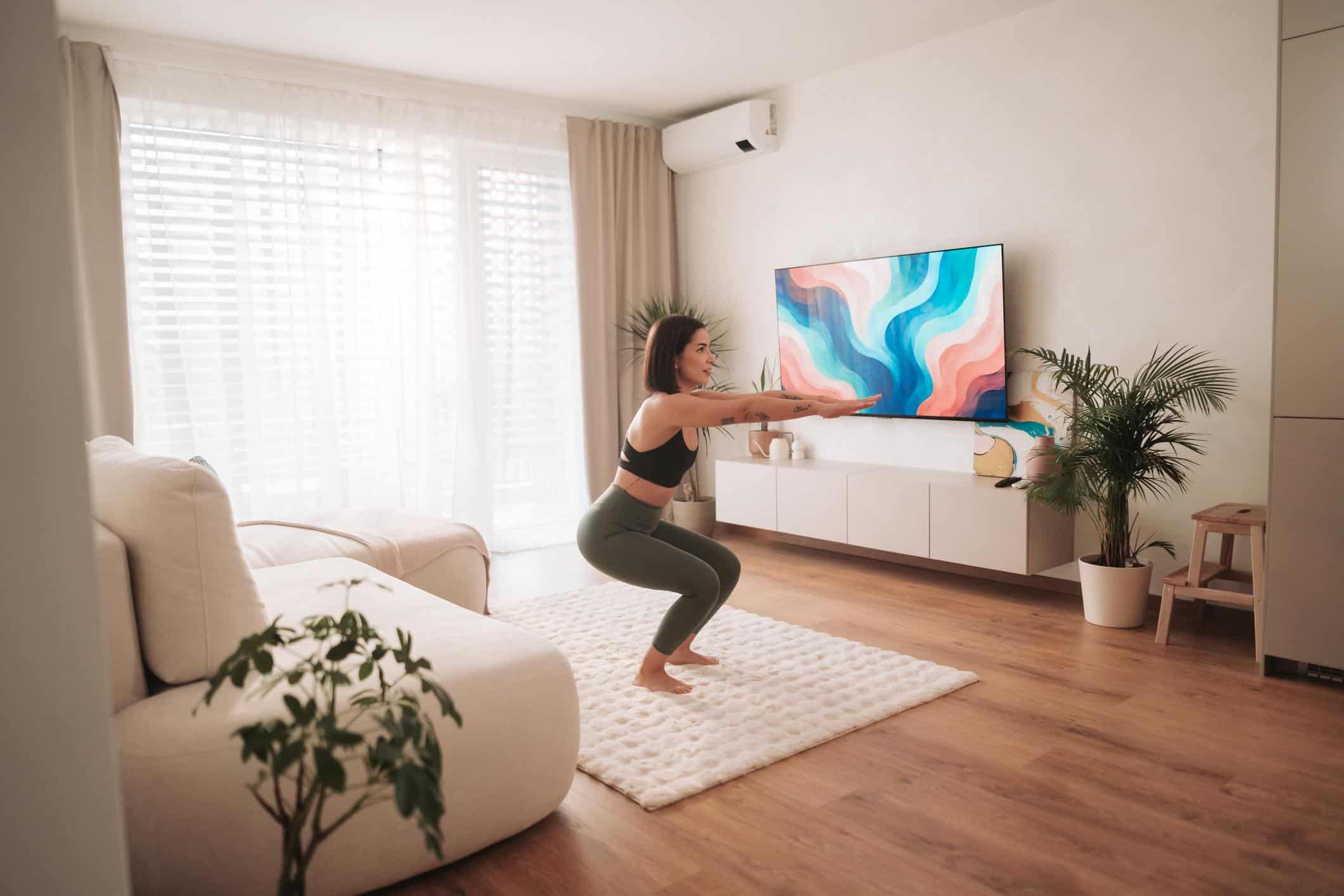
When time is limited, long workouts aren’t realistic. The real question isn’t whether short sessions are ideal—it’s whether short workouts that actually work for busy schedules can still deliver results.
The answer is yes—if they’re structured correctly.
This guide explains how to design short workouts that actually work for busy schedules, so you can stay consistent without sacrificing progress.
Table of Contents
Why Short Workouts That Actually Work for Busy Schedules Matter
Busy professionals often fall into one of two traps:
- Skipping workouts because there isn’t enough time
- Trying to “make up” missed sessions with extreme effort
Both approaches backfire.
Research from the American Council on Exercise shows that shorter, focused resistance training sessions can still improve strength and metabolic health when performed consistently.
The key is quality over duration.
What Makes Short Workouts That Actually Work for Busy Schedules Effective?
Not all short workouts are equal.
Effective short sessions include:
- Compound movements
- Minimal rest
- Full-body focus
- Structured progression
Random high-rep circuits won’t replace smart programming.
If you need a fallback system,
👉 15-Minute Emergency Workouts for Busy Professionals
show how short sessions can preserve momentum.
Sample 20-Minute Short Workout That Actually Works
Warm-Up (3 minutes)
- Bodyweight squats
- Arm circles
- Hip hinges
Strength Block (3 rounds)
- Goblet squats – 10 reps
- Dumbbell rows – 10 reps per side
- Push-ups – 8–12 reps
Finisher (3–5 minutes)
- Plank holds
- Farmer carries
This structure mirrors the system used in
👉 30-Minute Strength Workout With Dumbbells Only
but compressed for busy days.
How Often Should You Do Short Workouts?
Short workouts that fit busy schedules are most effective when used strategically.
For most people:
- 2–4 sessions per week
- 15–30 minutes per session
- Focus on full-body movements
Pairing shorter sessions with a structured plan like
👉 Weekly Workout Schedule for Busy Professionals
helps avoid randomness.
According to the Mayo Clinic, consistent strength training—even in moderate durations—supports long-term muscle and metabolic health.
Short Workouts That Actually Work for Busy Schedules at Home
Home workouts remove commute friction.
If you’re training in a limited space,
👉 Quiet Home Workouts for Apartments
help keep sessions effective without noise stress.
Minimal equipment options like
👉 Dumbbell-Only Workouts for Busy Professionals at Home
support progression without complexity.
Why Short Workouts Are Better Than Skipping
Consistency beats intensity.
Instead of waiting for the “perfect” 60-minute window, use short sessions to protect momentum.
If life is chaotic, revisit
👉 How to Stay Consistent With Workouts When Life Gets Busy
to rebuild structure.
The goal isn’t optimal workouts—it’s sustainable ones. These short sessions integrate well with a structured weekly workout schedule for busy professionals.
Short Workouts That Actually Work for Busy Schedules
Short workouts that actually work for busy schedules focus on compound movements, progression, and repeatability. The goal isn’t exhaustion — it’s sustainability.
The CDC recommends engaging in consistent, strength-based activity throughout the week to support long-term health.
Related Articles for Busy Professionals
To build a complete short-workout system:
- 👉 15-Minute Emergency Workouts for Busy Professionals
- 👉 30-Minute Workouts for Busy Professionals at Home
- 👉 Weekly Workout Schedule for Busy Professionals
- 👉 Fitness for Busy People: A Smarter Approach
▶️ Next Workout
Only have 15 minutes today?
Start with the
👉 15-Minute Emergency Workouts for Busy Professionals
and keep your momentum alive.
📬 Newsletter
Make Short Workouts Count
The FitWithGreg newsletter delivers realistic routines, fallback strategies, and structured plans designed for busy schedules.
👉 Join the FitWithGreg newsletter and train smarter—even when time is tight
FAQ
Do short workouts actually work for busy schedules?
Yes. Short workouts that actually work for busy schedules focus on compound movements and structured progression. A practical example is available at https://fitwithgreg.com/15-minute-emergency-workouts-for-busy-professionals/.
Do short workouts actually work for busy schedules?
Yes. Short workouts that actually work for busy schedules focus on compound movements and structured progression. A practical example is available at https://fitwithgreg.com/15-minute-emergency-workouts-for-busy-professionals/.
How long should a short workout be?
Most effective short workouts range from 15 to 30 minutes. Longer examples are available at https://fitwithgreg.com/30-minute-workouts-for-busy-professionals-at-home/.
How long should a short workout be?
Most effective short workouts range from 15 to 30 minutes. Longer examples are available at https://fitwithgreg.com/30-minute-workouts-for-busy-professionals-at-home/.
How often should I do short workouts?
2–4 sessions per week are realistic for busy professionals. Scheduling guidance is available at https://fitwithgreg.com/weekly-workout-schedule-for-busy-professionals/.
How often should I do short workouts?
2–4 sessions per week are realistic for busy professionals. Scheduling guidance is available at https://fitwithgreg.com/weekly-workout-schedule-for-busy-professionals/.
Are short workouts enough to build strength?
Yes, especially when structured around compound lifts and progressive overload. Dumbbell examples are available at https://fitwithgreg.com/dumbbell-only-workouts-busy-professionals/.
Are short workouts enough to build strength?
Yes, especially when structured around compound lifts and progressive overload. Dumbbell examples are available at https://fitwithgreg.com/dumbbell-only-workouts-busy-professionals/.
Final Thoughts
Learning how to stay consistent with workouts when life gets busy isn’t about finding more time—it’s about building a system that survives real life. Busy weeks will happen.
Travel, deadlines, low energy, and unexpected stress are part of the equation. When structured correctly, short workouts that fit busy schedules make consistency realistic rather than overwhelming.
The key isn’t perfection—it’s refusing to drop to zero. When your workouts adapt to your schedule instead of competing with it, consistency becomes sustainable. And sustainable effort is what turns short-term motivation into long-term progress.
Your creativity flows naturally
Thank you for sharing your unique perspective on this topic
Love how 🌟 you turn everyday moments into meaningful lessons for all of us
Thanks for sharing your unique perspective with all of us who follow your journey