
After 40, progress isn’t limited by effort.
It’s limited by recovery.
Understanding the right recovery tips for strength training over 40 allows busy professionals to maintain muscle, protect joints, and stay consistent without burnout.
You don’t need easier workouts.
You need smarter recovery.
Table of Contents
Why Recovery Matters More After 40
As we age:
- Collagen production changes
- Sleep patterns shift
- Stress tolerance fluctuates
- Muscle protein synthesis slows slightly
According to the National Institute on Aging, physical activity remains essential as we age — but recovery becomes equally important for sustainability.
Training breaks down muscle.
Recovery builds it back.
The National Institute on Aging highlights that regular physical activity, including resistance training, remains essential for maintaining strength and function as we age.
Recovery Tips for Strength Training Over 40 — Prioritize Sleep
Sleep is the most underrated recovery tool.
Aim for:
- 7–9 hours per night
- Consistent sleep schedule
- Dark, cool environment
The CDC recommends that most adults aim for 7 or more hours of sleep per night to support overall health and recovery.
Poor sleep increases joint irritation and reduces performance.
Recovery Tips for Strength Training Over 40 — Manage Weekly Volume
More isn’t better.
Most busy professionals over 40 thrive on:
- 2–4 structured sessions per week
- Moderate intensity
- 1–2 reps in reserve
- Deload weeks every 4–6 weeks
If frequency feels unclear, revisit
👉 How Often Should You Lift Weights After 40?.
Recovery Tips for Strength Training Over 40 — Use Active Recovery
Recovery doesn’t mean doing nothing.
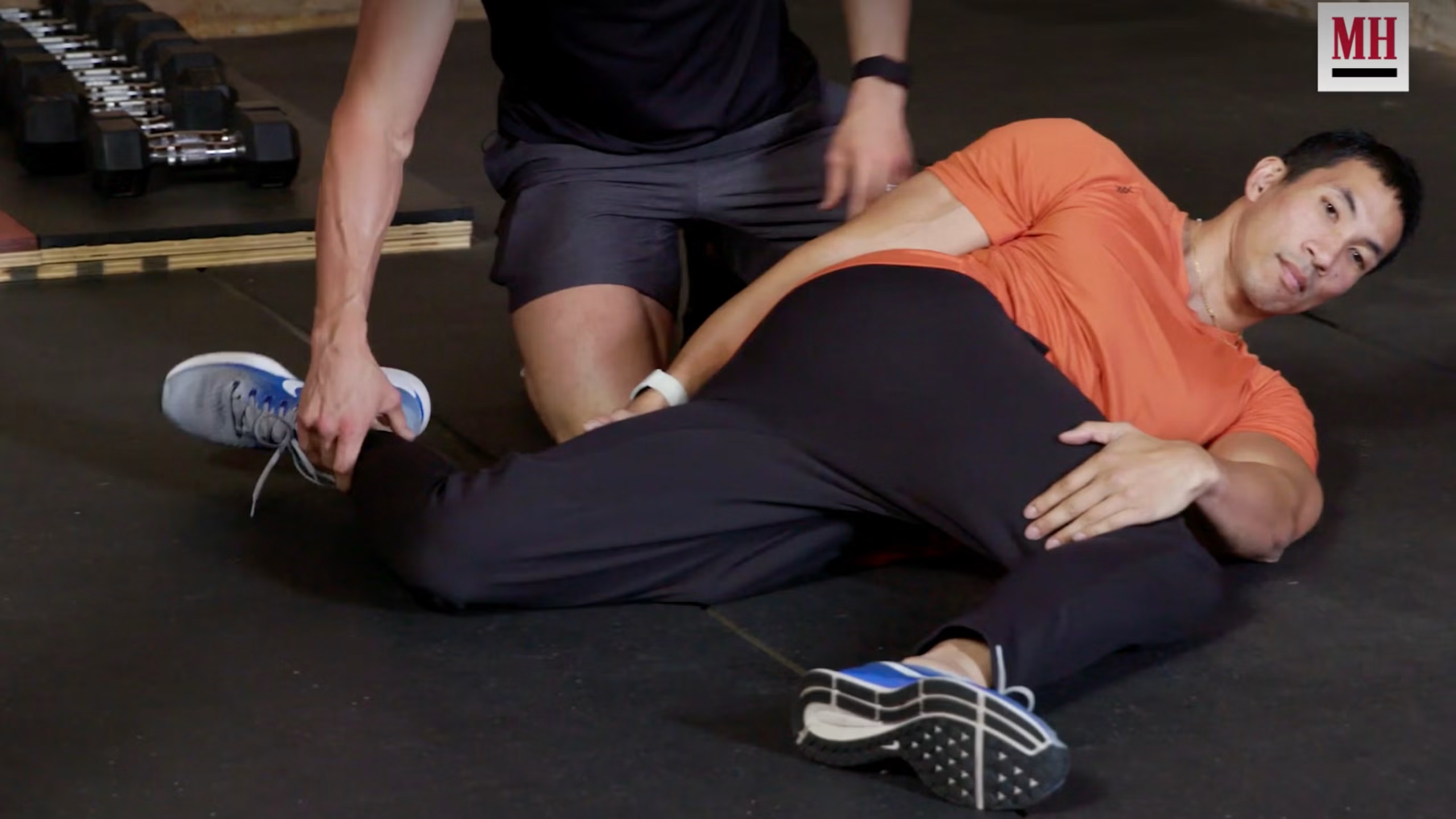
Smart recovery includes:
- Walking
- Light mobility work
- Low-intensity cycling
- Stretching
The Mayo Clinic notes that excessive training without adequate recovery can increase fatigue and injury risk.
If joints feel sensitive, combine this with
👉 Joint-Friendly Strength Training for Men Over 40
to reduce the impact of stress.
Recovery Tips for Strength Training Over 40 — Support Recovery With Nutrition
Protein intake matters.
If you haven’t dialed it in yet, revisit
👉 Protein Needs for Busy Professionals Over 40.
Hydration and balanced meals also support tissue repair and energy regulation.
Recovery isn’t a supplement.
It’s a system.
Warning Signs You’re Not Recovering Well
Watch for:
- Persistent soreness
- Sleep disruption
- Irritability
- Declining performance
- Joint discomfort lasting several days
These signs often indicate volume exceeds recovery capacity.
How Busy Professionals Can Build Recovery Into Their Routine
Practical strategies:
- Schedule rest days intentionally
- Avoid stacking heavy sessions back-to-back
- Keep workouts under 45 minutes
- Rotate intensity
Pair this with structured programming from
👉 Strength Training for Busy Professionals Over 40
to maintain long-term progress.
📩 Get Stronger After 40 — Without Burning Out
If you’re training for longevity, recovery matters as much as workouts. The FitWithGreg newsletter delivers joint-friendly strength strategies, recovery tips, and time-efficient plans built for busy professionals over 40.
Join free and train smarter each week.
👉 Subscribe to the FitWithGreg newsletter
Final Thoughts
The best recovery tips for strength training over 40 aren’t complicated.
They’re consistent.
When sleep, volume, mobility, and nutrition align, strength becomes sustainable. Aging doesn’t stop progress — poor recovery does. Train hard. Recover smarter. Repeat weekly.
FAQ
Why is recovery more important after 40?
Recovery becomes more important after 40 because tissue repair and sleep patterns may shift, making smart volume management essential.
Why is recovery more important after 40?
Recovery becomes more important after 40 because tissue repair and sleep patterns may shift, making smart volume management essential.
How many rest days should men over 40 take?
Most benefit from at least 2–3 non-lifting days per week, depending on intensity.
How many rest days should men over 40 take?
Most benefit from at least 2–3 non-lifting days per week, depending on intensity.
Does protein help recovery after 40?
Yes. Adequate protein supports muscle repair and helps counter age-related muscle decline.
Does protein help recovery after 40?
Yes. Adequate protein supports muscle repair and helps counter age-related muscle decline.
Can you overtrain after 40?
Yes. Excessive volume without adequate recovery increases joint stress and fatigue.
Can you overtrain after 40?
Yes. Excessive volume without adequate recovery increases joint stress and fatigue.