
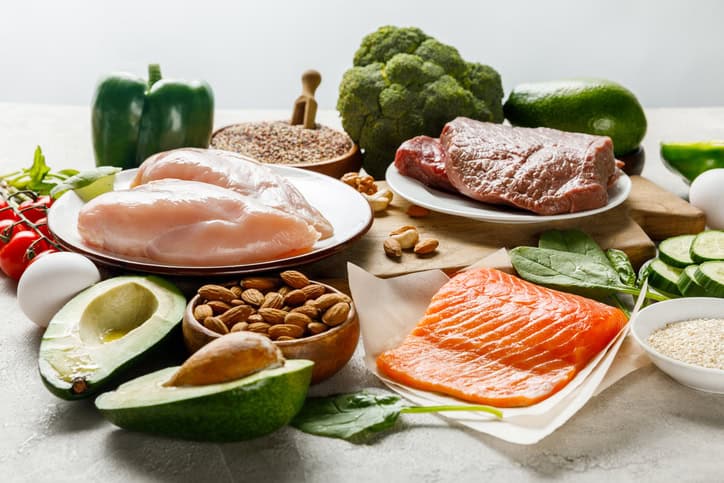
Protein Rich Foods to Build Muscle . If you’re trying to build muscle after 30, food can start to feel like homework. You lift, you try to “eat more protein,” and somehow you’re still staring at the fridge at 9 pm, wondering what you missed.
Here’s the truth I’ve learned from coaching myself (and plenty of busy adults): muscle growth doesn’t require perfect macros or fancy meals. It needs enough daily protein, solid training, and repeatable food choices you can stick with on a normal workweek.
In this guide, I’ll show you the protein target I aim for, the best protein-rich foods to build muscle (animal and plant options), and the simple ways I fit them into real life. If you want to tighten up the basics first, I also keep things simple in my guide on clean eating tips for beginners.
Table of Contents
How much protein do I need to build muscle (simple targets that work)
I keep protein math boring on purpose, because boring is easy to repeat.
A practical range that works well for building muscle is:
- 0.7 to 1.0 grams of protein per pound of body weight per day
- (That’s roughly 1.6 to 2.2 grams per kilogram)
If you want clean numbers, here are examples I use all the time:
Body weightDaily protein target (range)140 lb (64 kg)100 to 140 g170 lb (77 kg)120 to 170 g200 lb (91 kg)140 to 200 g
I care more about hitting my daily range than nailing an exact number. If I’m close most days, progress shows up.
Two quick details that matter:
- Spread protein across the day. Your body uses it better when it’s not all shoved into dinner.
- Training and sleep are the other levers. Protein supports muscle, but consistent strength training and decent sleep are what tell your body to build.
If you like to sanity-check your choices, I sometimes look up protein per serving using USDA FoodData Central. It’s straight to the point.
My easy protein split for the day (3 to 5 meals)
This is the approach that keeps me consistent: I aim for 25 to 40 grams of protein per meal, then add a snack if needed.
A simple day might look like this:
- Breakfast: eggs plus toast (or Greek yogurt)
- Snack: Greek yogurt or cottage cheese
- Lunch: chicken or turkey bowl
- Dinner: salmon, lean beef, or tofu stir-fry
- Optional: a protein shake if my day got weird
If I hit 4 feedings at about 30 to 35 grams each, I’m basically there. No drama.
Signs I am under-eating protein (and quick fixes)
When my protein is too low, I notice it fast. Common signs for me look like this:
- I’m hungry again an hour after meals.
- I’m always sore, and soreness sticks around.
- My lifts stall, even though I’m training consistently.
- I struggle to eat enough calories because my meals are too “light.”
Quick fixes that don’t require meal prep marathons:
Add a protein side: Greek yogurt, cottage cheese, a glass of milk, or edamame.
Upgrade snacks: swap chips or muffins for a protein-forward option.
Keep grab-and-go ready: canned fish, rotisserie chicken, protein powder, and eggs save busy weeks.
Best protein-rich foods to build muscle (high-protein picks I actually use)
When I’m shopping for muscle-building food, I’m not trying to be fancy. I’m trying to make “high protein” the easiest option in my kitchen.
I like variety, but I also keep a short list of staples that I can cook fast, season a hundred ways, and eat without getting bored. I also aim for mostly whole foods because they provide extra nutrition that helps training feel better.
Lean animal proteins (chicken, turkey, beef, pork, fish)
These are my go-to choices when I want the most protein with the least effort.
Chicken breast and turkey: High in protein, easy to batch-cook, and works in salads, bowls, wraps, and stir-fries.
Serving idea: 5-7 oz cooked at lunch in a rice bowl.
Lean ground beef or sirloin: Great when I want something more filling. I use it for tacos, burgers, or quick skillet meals.
Tip: If fat loss is a goal, I pick leaner cuts more often.
Pork tenderloin: underrated. It’s lean, cooks fast, and tastes great with simple spices.
Fish (especially salmon, tuna, and cod): Fish gives me protein without making me feel heavy. Salmon also provides healthy fats, which can help you hit your calorie target during a lean bulk. If you want a deeper dive, I wrote about the health benefits of regularly eating salmon.
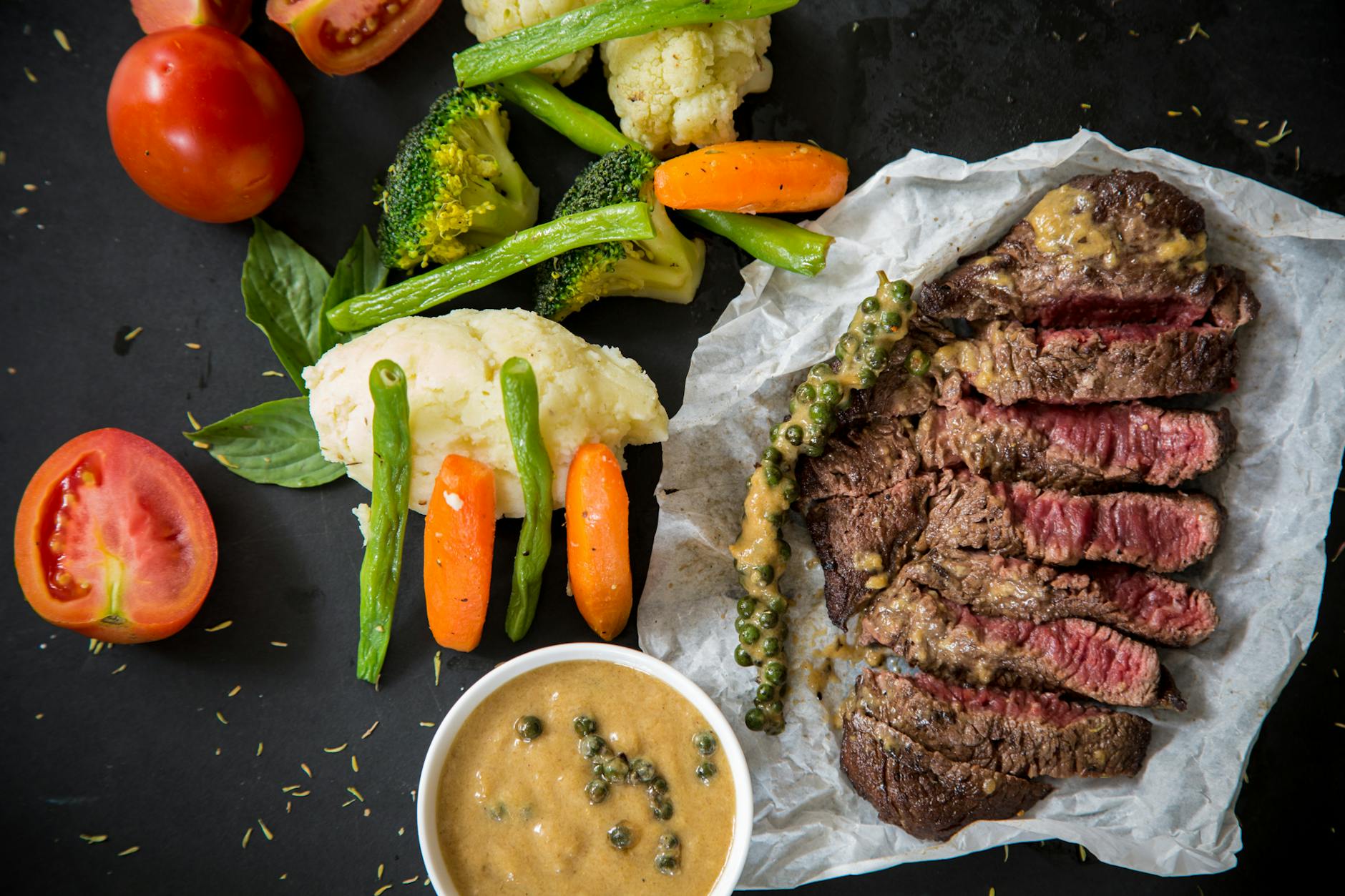
Photo by Malidate Van
A quick note on fat: higher-fat proteins (like ribeye, chicken thighs, regular ground beef) can still fit. They just raise calories faster. If I’m trying to gain muscle and I’m struggling to eat enough, those cuts actually help.
🥩⏰ Busy? Skip the store.
Get grass-fed meat delivered so you always have clean protein ready.
I’m using ButcherBox Canada — huge savings for new members🔥
👉 https://butcherbox.ca/how-it-works\ 💸 Code: E0KKJQJMEAGE
Watch the 30-sec breakdown 🎥 https://youtu.be/XgB8xBsPeoU\ l
High-protein dairy and eggs (Greek yogurt, cottage cheese, milk, eggs)
If you want easy muscle-building staples, dairy and eggs are hard to beat. They’re quick, affordable, and work for breakfast or snacks.
Greek yogurt: one of my best “lazy protein” foods.
Serving idea: a bowl with berries and a sprinkle of granola.
Cottage cheese: high protein, super filling.
Serving idea: with fruit, or savory with salt, pepper, and sliced tomatoes.
Milk: simple way to add protein and calories without cooking. Chocolate milk can even be a solid post-workout option if it fits your goals.
Eggs: versatile and fast. I use whole eggs when I want more calories, and I add egg whites when I want extra protein without much fat.
If dairy bothers your stomach, lactose-free milk and lactose-free Greek yogurt are usually the easiest swaps.
For a solid overview of how protein supports muscle repair and growth, I’ve found this Harvard overview helpful: https://www.hsph.harvard.edu/nutritionsource/what-should-you-eat/protein/
Plant-based protein foods (tofu, tempeh, edamame, beans, lentils, quinoa)
Plant proteins can build muscle, full stop. The main difference is that some plant foods have less of certain amino acids per serving, so I focus on total daily intake and mix sources across the day.
My staples:
Tofu and tempeh: quick, high protein, and they soak up flavor.
Meal idea: tofu stir-fry with frozen veggies and rice.
Edamame: a great snack that actually feels like food.
Meal idea: microwaved edamame with salt, plus fruit.
Beans and lentils: not as protein-dense as meat per bite, but they bring fiber, minerals, and serious staying power.
Meal idea: lentil chili or a bean-and-rice bowl.
Quinoa: helpful when I want carbs plus a bit more protein than rice.
If you want a simple reference for protein needs across different activity levels, this page lays out the basic RDA and context: https://www.healthline.com/nutrition/how-much-protein-per-day
Convenience protein (canned fish, rotisserie chicken, protein powder, ready-to-drink shakes)
This is the category that saves my schedule.
Canned tuna or salmon: fast lunches. I’ll mix it with Greek yogurt or mayo, then put it on toast or in a wrap.
Rotisserie chicken: I buy it when life gets hectic. It turns into bowls, salads, tacos, and soups.
Protein powder: I use it to fill gaps, not replace real meals all day. One scoop in a shake can be the difference between “close enough” and “nailed it.”
Ready-to-drink shakes: not my everyday choice, but great for travel days or long meetings.
Label tips I follow:
- High protein per serving (around 20 to 30 g is common)
- Low added sugar
- A short ingredient list, when possible
For a practical guide to reading packaged food labels, this is a solid reference: https://www.nhs.uk/live-well/eat-well/food-guidelines-and-food-labels/how-to-read-food-labels/
How I turn protein foods into muscle-building meals (without cooking all day)
The easiest way for me to eat for muscle is to stop thinking in recipes and start thinking in parts.
My default framework is: protein + carbs (training fuel) + colorful plants + a little fat
That’s it. It works whether I’m cooking at home, eating at work, or grabbing food on the road.
If you want easy weekly food ideas and consistency tips that fit busy schedules, sign up for my fitness newsletter — you’ll also get a free 7-Day BODi Trial Blueprint to help you stay accountable to your training nutrition plan.
My quick plate formula for muscle (protein, carbs, color)
These are plates I rotate constantly:
Chicken, rice, veggies: chicken breast or thighs, microwave rice, frozen broccoli, olive oil, salt.
Salmon, potatoes, salad: roasted potatoes (or air fryer), bagged salad, simple dressing.
Tofu noodles, mixed veggies: tofu, noodles or rice, frozen stir-fry blend, soy sauce, and garlic.
Greek yogurt bowl: Greek yogurt, berries, granola, plus a drizzle of honey if I need extra carbs.
If performance is dragging, I look at the basics: water, sleep, and enough salt (especially if I sweat a lot). It’s not exciting, but it works.
My 10-minute protein add-ons when a meal is too small
When a meal looks “healthy” but doesn’t help me reach my protein goal, I add a quick item and move on.
My usual add-ons:
- An extra egg (or a few egg whites)
- A side of Greek yogurt
- A tuna packet
- Cottage cheese
- Microwavable edamame
- A quick shake with protein powder and milk
If you’re trying to gain muscle and the scale never moves, it might not be a protein issue. It might be a total calorie issue. Protein helps, but you still need enough food to grow.
Key Takeaways
- I aim for 0.7 to 1.0 g of protein per pound each day.
- I spread protein across 3 to 5 meals, usually 25 to 40 g each.
- My staples are lean meats, fish, Greek yogurt, eggs, tofu, and beans.
- Convenience options (canned fish, rotisserie chicken, protein powder) keep me consistent.
- Muscle-building meals are simple: protein + carbs + color, repeated often.
FAQ
What are the best protein-rich foods to build muscle fast?
The “best” foods are the ones you can eat consistently while training hard. For me, that’s chicken, turkey, lean beef, salmon, Greek yogurt, cottage cheese, eggs, tofu, and lentils. They’re high-protein, easy to prepare, and fit most budgets.
Do I need protein right after my workout?
It helps to eat protein within a few hours of training, but you don’t need to sprint to a shaker bottle. I focus more on total daily protein, then I make sure my next meal has a solid serving (usually 30 to 40 g).
Can I build muscle with plant protein only?
Yes. I’d just focus on hitting your daily target and using a mix of foods (tofu, tempeh, edamame, beans, lentils, and whole grains). A variety across the day covers your bases.
Is protein powder necessary?
No. It’s a tool. I use it when my day gets busy, and I’m short on protein. Whole foods are still my main plan because they come with extra nutrients and keep me full.
How do I know if I’m eating enough protein to gain muscle?
If you’re close to your daily range, your training is progressing (even slowly), and you’re recovering well, you’re probably in a good spot. If strength is stalled, hunger is constant, and recovery feels rough, I’d raise protein and check total calories.
Consistent muscle growth is about habits over perfection. For weekly support, mindset tips, and simple fitness guidance, subscribe to my Fitness Newsletter — and grab the free 7-Day BODi Trial Blueprint.
Conclusion
Building muscle doesn’t require perfect eating; it requires repeatable eating. When I hit a realistic daily target and stock my kitchen with protein-rich foods to build muscle, training starts to pay off faster.
Pick 2 to 3 staple proteins you enjoy, build simple meals around them, and stay consistent with strength training. If you want an easy weekly nudge to stay on track, joining the newsletter is a simple next step.
2 thoughts on “Protein Rich Foods to Build Muscle (My Simple, Real-Life List)”