
LIIFT4 Results With Dumbbells at Home: What I’d Expect in 8 Weeks. “No gym. No stress. No excuses.” → Free Beachbody on Demand trial: https://click-myl.ink/yckmndbh
If you’re a busy guy over 30, you don’t need another plan that asks for two-hour workouts, a perfect schedule, and a garage full of gear. You need something you can actually repeat when work runs late and life gets loud.
LIIFT4 by Joel Freeman is a home workout program built for that. It’s an 8-week program, 4 days a week. Each session combines lifting with short HIIT, and most workouts last around 30 minutes.
In this post, I’m going to lay out realistic lift4 results with dumbbells at home, what you need in your setup, how I choose dumbbells, and how I track progress without turning it into a second job.
Key Takeaways
- LIIFT4 results with dumbbells at home can be solid if you treat it like training to build strength and burn calories, not “just sweating.”
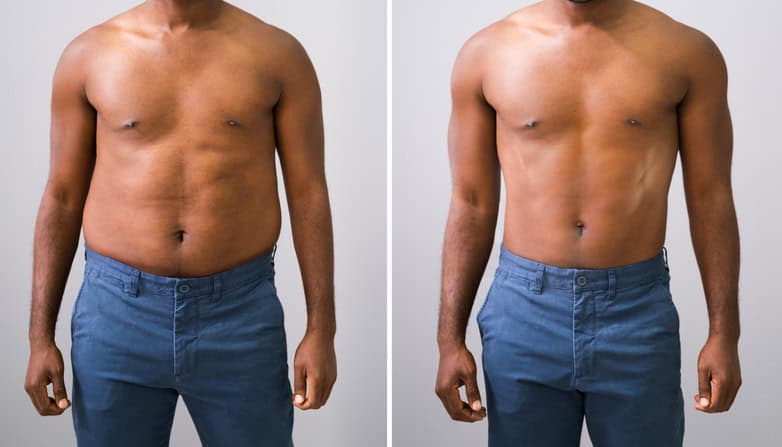
- The scale can move, but the best signs of lean muscle show up in strength, before-and-after photos, and how you feel.
- Home progress usually stalls for predictable reasons: weights too light, no plan to progress, and weekend eating that erases the week.
- You don’t need fancy gear, but you do need a way to make lifts harder over time.
- Simple food rules (protein, portions, steps, sleep) beat complicated meal plans.
- If your schedule is messy, you don’t need perfection; committing to 4 days a week gives you a “keep moving” plan.
Table of Contents
The results most guys can expect from LIIFT4 at home (and what changes the outcome)
Here’s the honest version: most men I talk to want to look leaner, feel stronger, and stop getting winded doing normal life. LIIFT4 can deliver that at home with dumbbells, but outcomes depend on a few big levers.
What I’d expect from this 8-week program, if you follow the calendar and train hard 4 days a week, is a mix of body fat loss, strength gains from weightlifting, better conditioning, and more muscle definition in the shoulders, chest, back, and legs. You might not look like a different person overnight, but you should feel like you’re building momentum.
What changes the outcome is usually not the program. It’s your starting point (beginner vs already trained), nutrition, sleep, dumbbell options, and effort. If you’re lifting with weights that challenge you and your food is even close to reasonable, you’ll notice real change.
If you want a quick snapshot of what people report, BODi shares examples in its LIIFT4 before-and-after results roundup. Use those as inspiration, not a promise.
What “results” should look like beyond the scale
The scale is one tool, not the scoreboard. I’ve had weeks where my weight barely changed, but my shirts fit better, and my lifts jumped. That counts.
Here’s what I watch:
- Strength progression: a heavier dumbbell, more reps with the same weight, or cleaner form at the same reps.
- Inches and photos: waist and chest measurements are accurate when water weight is noisy.
- Energy and mood: fewer afternoon crashes, better sleep, less “drag” in the morning.
- Posture and movement: rows and deadlift patterns tend to “open up” tight shoulders and hips.
My weight progression tracker stays boring on purpose:
- Weigh in once per week (on the same day, under the same conditions).
- Measure waist and chest once per week.
- Take two photos (front and side) once per week.
- Write one sentence after each workout: “weights felt strong” or “low energy, slept 5 hours.”
That’s enough data to guide adjustments without overthinking it.
The biggest reasons home workouts stall out
When LIIFT4 stalls at home, it’s usually not mysterious. I see the same patterns again and again.
Dumbbells are too light: If you can hit the rep target and keep going, your body has no reason to adapt. Fix: add weight, reps, slower tempo, or harder variations.
No progression plan: Doing “whatever felt hard” last week leads to a plateau. Fix: track weights and reps, then aim to beat one number next time.
Skipping legs: Legs drive results. Fix: treat leg day like a meeting you don’t cancel.
Rushing form: Fast reps hide weak spots and annoy joints. Fix: control the lowering phase and keep reps clean.
Eating back calories: Long day, big “reward” dinner, then snacks. Fix: keep portions steady and put protein first.
Poor sleep and weekend blowouts: Two rough nights plus a weekend free-for-all can erase five good days. Fix: protect a sleep window and keep weekends “normal,” not perfect.
If you want help building a real progression approach, I use the same principles from my guide on how to progressive overload with dumbbells at home.
My dumbbell-only home setup for LIIFT4 (so you can progress week after week)
My LIIFT4 home setup is simple: a clear floor space, a mat, a timer, water, and dumbbells I can actually grow into. That’s it.
The question I hear most is “How heavy is heavy enough?” For most men, you’ll want at least one pair that feels challenging for presses and rows, and a heavier option for legs and hinges. If you’re limited to one or two pairs, you can still make progress through the 32 unique workouts, but you’ll rely more on tempo and single-leg work.
I keep my gear list practical and repeatable, and I’ve pulled it together in my LIIFT4 gear recommendations so you can see what I use to stay consistent at home with the quad sets.
How I pick the right dumbbell weights for each move
I use one rule more than any other: the last 2 reps should be hard, but my form stays clean. If I can do five extra reps, the weight is too light for that exercise.
Rough guidelines that work for most guys in the supersets:
- Presses (chest and shoulder): choose a weight you can control for 8 to 12 tough reps.
- Rows: often slightly heavier than presses, because your back can handle more.
- Squats and RDLs: go heavier for heavy lifting, or use single-leg versions if you can’t.
- Lunges and split squats: moderate weight feels heavy fast when balance is involved.
- Curls and raises: lighter than you think, with slow control.
If space is tight, adjustable dumbbells can make life easier because you can make smaller jumps in the circuit routines. If you’re unsure what “good training volume” looks like with weights, this POPSUGAR piece on why lifting supports lean muscle explains the big idea in plain language.
How I modify moves when I do not have heavy enough dumbbells
When my dumbbells are not heavy enough, I don’t panic; I make the weight-lifting exercises harder. I also keep it safe because joints don’t care about motivation.
My go-to options:
- Slow tempo: 3 seconds down, smooth drive up.
- Pauses: hold the bottom of a squat or the stretched position on a row.
- 1.5 reps: down, halfway up, back down, then up (brutal with lighter weights).
- Single-leg variations: split squats, single-leg RDLs, step-ups.
- Higher reps: push toward 12-20 with good form.
- Shorter rest: shave 15-20 seconds, but only if form stays sharp.
If your shoulder or elbow starts barking, that’s not “good pain.” That’s a sign to clean up form, reduce range, or swap the movement.
How I get better LIIFT4 results at home with simple nutrition and recovery habits
Training is the spark, but food and recovery are the fuel. If I want better LIIFT4 results with dumbbells at home, I keep my nutrition boring and consistent.
I focus on five things: protein, portions, water, steps, and sleep. Stress matters too, but I handle it the same way I handle training: small habits I can repeat.
My daily checklist looks like this:
- Protein at every meal
- A vegetable at two meals
- 2 to 3 liters of water
- 7,000 to 10,000 steps
- A set bedtime window
If you want my weekly reminders and simple meal ideas, I share them in my weekly fitness newsletter.
A no-fuss nutrition guide that supports fat loss while you build muscle
I don’t do complicated macros when life is busy. I do a simple structure.
I aim for a palm-sized protein at each meal (chicken, Greek yogurt, eggs, lean beef, fish, tofu), plus a protein snack if dinner is late. Most guys under-eat protein all day, then snack at night.
My plate method is easy:
- 1 to 2 palms of protein
- 1 to 2 fists of veggies
- 1 cupped hand of carbs (more on training days, less on off days)
- 1 thumb of fats
Two quick wins that make a big difference:
- Cut liquid calories most days (sugary coffee drinks, “healthy” juices).
- Put a stop sign on late-night snacking by planning a real dinner.
Alcohol is the sneaky one. If weekends are four drinks Friday and four drinks Saturday, fat loss usually crawls. I keep it moderate, and I eat like a normal person the next day.
Recovery that actually matters when you lift and do high-intensity interval training
For men 30+, recovery is not optional if you want joints to feel good. I prioritize sleep first because it affects hunger, stress, and training output. LIIFT4’s liift 50/50 workout style balances lifting and cardio, so recovery keeps everything sustainable.
I also use low-effort recovery:
- Walking on off days (even 20 minutes helps).
- Light mobility for hips, ankles, and upper back.
- Recovery days that are real rest, not “secret extra workouts.”
Soreness is normal; sharp pain is not. If I feel shoulder irritation at home, I check my pressing angle, slow down reps, and add more rows. Balanced pulling volume keeps shoulders happier.
If you travel or work long hours, here is how I keep LIIFT4 results moving forward
When my schedule gets ugly, I don’t try to be a hero. I aim for the minimum that keeps progress alive and helps build muscle. That might be one solid lift plus a walk, or a shorter dumbbell session that hits the basics.
If you’re on the road a lot, my full routine and packing list are in this guide on staying fit while traveling for work.
Consistency is not doing everything. It’s doing something, on purpose, even when the week is chaotic.
My simple plan for missed workouts so I do not fall off track
Missed workouts happen. What matters is the next decision.
My rules:
- Never miss twice. If I miss Monday, Tuesday becomes day one.
- Slide the week forward on your workout calendar, don’t double up, and crush recovery.
- If time is short, I prioritize full-body, chest, and triceps, or legs.
My 20-minute total body workout backup template (unlike the standard 30-minute workouts):
- Push: dumbbell press
- Pull: one-arm row
- Squat or hinge: goblet squat or RDL
- Core: plank or dead bug
Two to three rounds, controlled reps, short rest. It’s not fancy, but it keeps the chain unbroken.
Frequently Asked Questions About LIIFT4 Results With Dumbbells at Home
Can I get real LIIFT4 results using only dumbbells at home?
Yes, I can make solid progress with LIIFT4 using dumbbells at home, as long as I can progress the load over time. The program is built around resistance training plus short bursts of cardio, so dumbbells fit the strength part well.
What matters most is whether my dumbbells are heavy enough for the rep ranges. If I’m always breezing through sets, my muscles won’t get a strong reason to adapt. On the flip side, if I’m failing early with sloppy form, the weight is too heavy.
A simple rule I use is this: most working sets should end with 1 to 3 reps left in the tank, with good form. If I can do a lot more than the target reps, I go heavier next time. If I can’t hit the low end of the rep range, I go lighter and build back up.
If my dumbbells top out too light, I can still make it work by slowing my tempo (3 seconds down), adding pauses, or using single-arm and single-leg versions. Those make lighter weights feel heavy fast.
How long does it take to see LIIFT4 results at home with dumbbells?
Most people notice early changes in energy, strength, and consistency in the first 2 to 3 weeks if they stick to the schedule. Visible changes usually take longer, often 4 to 8 weeks, and depend a lot on food intake, sleep, and starting point.
If I’m trying to lose fat, my calorie intake matters more than the specific program. LIIFT4 can help me burn calories and keep muscle while dieting, but it can’t out-train overeating.
If I’m trying to build muscle, I need enough protein and a small calorie surplus (or at least not a big deficit). Without that, I may still get stronger, but size changes will be slower.
I track progress with more than photos. I like using a few checks: how my main dumbbell weights are moving up, waist measurement, and how my shirts fit across shoulders and chest.
What dumbbell weights do I need for LIIFT4 at home?
I get the best results when I have at least two to three dumbbell options (or adjustable dumbbells). In plain terms, I usually want:
- A lighter pair for raises, curls, and high-rep work
- A medium pair for pressing and rows
- A heavier pair for squats, lunges, and deadlift-style moves
Exact numbers depend on my current strength, but the goal is simple: I should be challenged in the programmed rep range without breaking form.
If I’m only buying one set to start, I choose a weight I can press overhead for around 8 to 12 solid reps. That’s not perfect for legs, but it’s a practical starting point. Long-term, adjustable dumbbells make progression much easier.
Will LIIFT4 at home build muscle, or is it more for fat loss?
For me, it can do both, but the result depends on my priorities and habits.
- Muscle gain: I focus on adding weight or reps over time, I eat enough protein, and I don’t stay in a steep calorie deficit.
- Fat loss: I keep a steady calorie deficit, I still push hard on the lifts, and I recover well so I don’t burn out.
LIIFT4’s mix of lifting and short HIIT blocks is helpful for busy schedules. The lifting keeps strength moving up, the conditioning helps with work capacity, and the structure makes it easier to stay consistent.
If my main goal is maximum muscle size, a longer lifting-focused plan with more volume can be better. If my goal is a strong, lean look with limited time, LIIFT4 can be a great fit.
What should I do if my dumbbells are too light for LIIFT4 leg days?
If my dumbbells don’t feel heavy enough for squats and deadlifts, I don’t need to quit. I change the challenge, not the plan.
A few fixes that work well at home:
- Single-leg work (split squats, lunges, single-leg RDLs) so each leg carries more load
- Slower reps (3 seconds down, 1-second pause, drive up hard)
- Longer sets (stay in the programmed range, then add a few controlled reps if form stays clean)
- Shorter rest while keeping technique tight
I also pay attention to form details that increase difficulty fast, like a full range of motion and a stable torso. If I’m still not getting enough stimulus after a couple weeks, that’s usually my sign to upgrade to heavier or adjustable dumbbells.
Conclusion
LIIFT4 delivers LIIFT4 results with dumbbells at home through traditional weight lifting, LIIFT intervals, high-intensity interval training, and a core component of core training at the end of sessions. But the real secret is simple: progress your dumbbells, keep food sane, and show up week after week.
“No gym. No stress. No excuses.” still holds, as long as you treat your home workouts like they matter. Pick weights that challenge you, track one thing weekly, and stay on the calendar. Consistency is what makes the results stick.
1 thought on “LIIFT4 Results With Dumbbells at Home: What I’d Expect in 8 Weeks”