
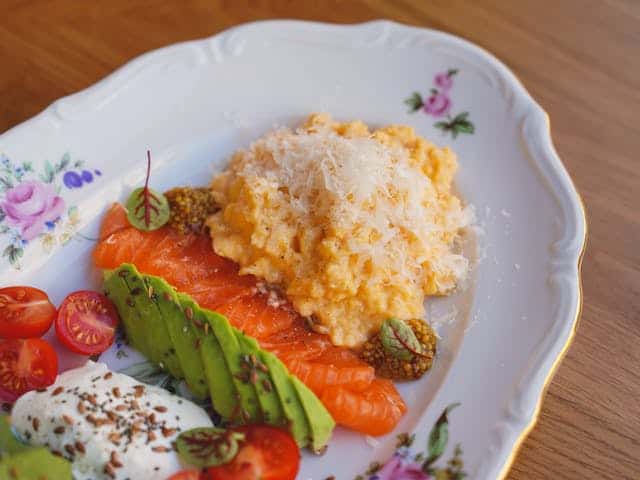
High-Protein Breakfast Ideas for Training Days. When I train in the morning, breakfast sets the tone. If I wing it, I usually pay for it with low energy, shaky focus, and a workout that feels harder than it should.
That’s why I keep high-protein vegetarian breakfast ideas on repeat, plus a couple of options with fish, so I can hit 25 to 40 grams of protein per serving fast without “real cooking.” These are built for men over 60 who lift, walk, do TRX, or train at home and want something filling that keeps them full while supporting weight loss and not causing them to sit heavily.
Some of these are naturally vegetarian (eggs and dairy), and I’ll include easy swaps for lactose-free or plant-based needs.
Key Takeaways
- I aim for 25-40 grams of protein per serving on training days, with some carbs for fuel.
- Fast doesn’t mean flimsy; a simple combo of protein, carbs, and healthy fats can support steadier energy and muscle recovery.
- Most mornings, I choose one “base” and rotate flavors, so I don’t get bored.
- Lactose-free and plant-based swaps are easy with the right staples.
Table of Contents
What I aim for on a training-day breakfast (protein, carbs, and timing)
On training days, I keep breakfast simple: protein first to stay full, then carbs based on how hard I’m training. For me, 25 to 40 grams of protein per serving is the sweet spot because it helps keep my blood sugar steady and supports muscle repair, especially now that I’m older.
I add carbs when the workout has more volume or conditioning. Oats, toast, fruit, or a banana usually does it. If I can, I work in fiber or fruit for digestion and a little micronutrient boost.
Timing-wise, I’m usually in one of two lanes:
- 60 to 120 minutes before training if I’m eating a full meal
- Post-workout, if I train early and want something quick after
If you want more ideas geared toward healthy aging, this roundup is a solid reference: high-protein breakfasts for healthy aging.
Quick safety note: if I have kidney disease, take diabetes meds, or follow strict sodium limits, I check with my clinician before pushing protein higher or leaning on packaged foods.
A simple plate formula I use: protein plus easy carbs plus color
I use a three-part setup for a nutrient-dense plate:
- Protein: Greek yogurt, eggs, cottage cheese, or a protein shake
- Easy carbs: oats, whole grain toast, tortilla, banana
- Color: berries, spinach, tomatoes, peppers
Example combos: Greek yogurt + berries + oats, eggs + toast + fruit, smoothie + banana.
Prep shortcuts that make this doable in 5 to 10 minutes
A little prep saves my mornings:
- Hard-boil eggs for the week
- Portion yogurt or cottage cheese into grab-and-go bowls
- Keep frozen fruit and pre-washed spinach ready
- Stock microwave rice packs (great if I need more carbs)
- Buy carton egg whites for fast extra protein (around 25 grams of protein per serving)
- Prep overnight oats the night before
5 fast high-protein breakfast ideas that hit 25 to 40 grams of protein per serving
Greek yogurt power bowl (30 to 40 grams of protein per serving)
What I eat: 1.5 to 2 cups plain Greek yogurt, berries, 1 to 2 tbsp nut butter or chopped nuts, cinnamon, and optional gluten-free oats or granola.
Why it works: high protein, easy carbs if I add oats, and it sits light.
Time: 3 to 5 minutes.
Easy swaps: lactose-free Greek yogurt or skyr. If it’s a hard session, I add a little honey; if it’s easy training, I keep it unsweetened. For overnight oats lovers, mix in prepped overnight oats. This is one of my go-to high-protein vegetarian breakfast ideas.
Egg and egg-white microwave scramble wrap (25 to 35 grams of protein per serving)
What I eat: 2 whole eggs plus a splash of carton egg whites, spinach or peppers, optional shredded cheese, wrapped in a gluten-free tortilla.
Why it works: a warm, savory breakfast that’s filling and protein-rich, with fast hits without a skillet.
Time: 5 to 7 minutes (microwave in a bowl, stir once).
Easy swaps: keep it vegetarian by skipping meat, try a tofu scramble with black beans, or more egg whites. For higher carbs, add fruit or a second tortilla. For make-ahead options, bake into egg muffins or a breakfast casserole. Sodium tip: go easy on processed breakfast meats.
Cottage cheese toast with smoked salmon or tomato (28 to 40 grams of protein per serving)
What I eat: 1 cup cottage cheese with 1 to 2 slices gluten-free toast. Add 2 to 3 oz smoked salmon, or go vegetarian with tomato, cucumber, and everything seasoning.
Why it works: high protein, easy to chew, and it’s satisfying without feeling huge.
Time: 5 minutes.
Easy swaps: blend the cottage cheese for a smooth spread. Use lactose-free cottage cheese if needed. If sodium is a concern, choose lower-sodium cottage cheese and salmon. Batch it as egg muffins or a breakfast casserole for variety.
Overnight oats with protein (25 to 40 grams of protein per serving)
What I eat: overnight oats with milk or soy milk, chia seeds, cinnamon, plus either Greek yogurt or a scoop of protein powder. It’s ready when I wake up.
Why it works: perfect overnight oats for early training when I don’t want to cook or think.
Time: 2 minutes at night, 1 minute in the morning.
Easy swaps: use certified gluten-free oats, lactose-free milk, or soy milk for a plant-based option. Add more chia seeds, banana, or a touch of maple syrup for extra carbs. For more protein, add more yogurt instead of more powder. These overnight oats are a staple.
Training-day smoothie that does not taste chalky (30 to 40 grams of protein per serving)
What I drink: milk or soy milk, whey or plant protein powder, frozen berries, a banana, a handful of spinach, and optional gluten-free oats or peanut butter.
Why it works: easy to get down when appetite is low, fast fuel, or turn it into a smoothie bowl.
Time: 5 minutes.
Easy swaps: blend liquid + powder first to prevent clumps. Use Greek yogurt for a thicker texture, like a smoothie bowl. If whey bothers my stomach, I use a gentler protein and keep the rest from yogurt.
For more high-protein breakfast variety (including breakfast casserole, egg muffins, and different dietary styles), I’ve found this list helpful: healthy high-protein breakfast ideas.
How I adjust these breakfasts for goals, digestion, and everyday health needs
I don’t change my whole breakfast “system” based on goals. I adjust the dials: carbs up or down, fat up or down, fiber up or down.
For blood sugar stability, I keep added sugar low and pair carbs with protein to stay full (oats with yogurt, toast with eggs). For heart health, I rotate in more fruit, nuts, and salmon, and I watch sodium in cottage cheese and smoked fish. For digestion, I keep hydration in mind because high protein without enough fluid can feel rough.
Goal adjustments, in plain terms:
- Fat loss: keep protein at 25 to 30 grams per serving, and tighten portions of nut butter, cheese, granola, and tortillas (ideal for weight loss).
- Muscle gain: add a carb portion (oats, toast, banana) and aim for 35 to 40 grams of protein per serving with a bigger overall plate.
- Maintenance: keep the base, let hunger decide the extras.
If I want more energy for hard workouts, I add carbs, not just protein
When my legs feel heavy or I’m dragging mid-workout, I add carbs. I’ll toss in a banana, extra oats, toast, or even a small glass of juice before training. Protein helps recovery, carbs help me perform.
If my stomach is sensitive in the morning, I keep it lighter and lower fiber
If my gut is touchy early, I skip chia and go easier on raw veggies. I’ll have eggs with gluten-free toast or a smoothie without many add-ins. If reflux acts up, I also avoid a super high-fat breakfast and don’t slam coffee right away, especially when prioritizing gluten-free choices for gut health.
Simple weekly prep plan so I never skip breakfast on training days
On Sunday, I do my weekly meal prep just enough to make weekdays automatic. I hard-boil eggs for egg muffins or a breakfast casserole, portion two or three Greek yogurt bowls, and restock frozen fruit. This simple meal prep focuses on make-ahead recipes like a breakfast casserole or yogurt parfaits, so I can rotate between a bowl, a wrap, toast, oats, or a smoothie without decision fatigue.
I also keep my training structure simple because routines feed routines. When my workouts are planned, breakfast gets easier, too.
My 10-minute shopping list and prep checklist
What I keep stocked:
- Greek yogurt or skyr (choose options with at least 15 grams of protein per serving; check added sugar)
- Eggs and carton egg whites (perfect for a breakfast casserole)
- Cottage cheese (higher-protein versions with 14 grams of protein per serving help)
- Gluten-free oats, gluten-free tortillas, and/or gluten-free whole-grain bread
- Frozen berries, bananas
- Pre-washed spinach
- Nut butter
- Protein powder (whey or plant-based)
- Chia seeds and cinnamon
- Quinoa (for high-protein variety in make-ahead recipes)
- Tempeh (stock for high-protein plant-based options like tempeh scrambles)
- Black beans and tofu (for tofu scramble or a breakfast casserole)
How I pair breakfast with my workouts at home
I stick to the same breakfast choices on the same training days because it reduces friction and helps me stay full through morning sessions. When I’m following my home workout routine plan, I’m much less likely to skip breakfast or grab something random.
If you want simple weekly reminders and tips that support consistency, I share them in my weekly fitness newsletter.
Frequently Asked Questions About High-Protein Breakfasts That Fit Real Life
How much protein do I actually need at breakfast?
I aim for 25-35 grams at breakfast most days. That range is a practical target for many adults and can help me stay full and support my muscles as I age. If I have kidney disease or I’m on a protein-restricted plan, I check with my clinician first.
What are the most leisurely high-protein breakfasts when I don’t want to cook?
When I want zero fuss, I stick to simple, reliable options:
- Greek yogurt with berries and a handful of nuts
- Cottage cheese with fruit, sliced tomatoes, or pepper
- Two hard-boiled eggs with whole-grain toast
- A ready-to-drink protein shake plus a banana
- Leftover chicken, turkey, or salmon with a piece of fruit
What are good high-protein breakfasts if I’m watching cholesterol?
I lean on protein sources that are naturally lower in saturated fat, then keep portions sensible:
My go-to choices: egg whites (or one whole egg plus whites), Greek yogurt, cottage cheese, beans, tofu, and fish.
If I eat sausage or bacon, I treat it like a rare add-on, not the main protein.
What if I’m trying to keep my blood sugar steady in the morning?
I pair protein with fiber and keep sugary add-ins to a minimum. That usually means less juice, fewer pastries, and more whole foods.
A few combos that work well for me:
- Eggs with vegetables and a slice of whole-grain toast
- Plain Greek yogurt with berries and chia seeds
- Cottage cheese with sliced fruit and walnuts
- Tofu scramble with peppers, onions, and beans
Can I get a high-protein breakfast without eggs or dairy?
Yes. I use plant and seafood options when I want a change.
Easy ideas:
- Tofu scramble with veggies
- Beans on whole-grain toast
- Smoked salmon on whole-grain bread (or with sliced cucumber)
- Leftover lean meat or fish from dinner
- A soy or pea protein shake (I check the label for added sugar)
What’s a good high-protein breakfast if I don’t have much appetite in the morning?
I go smaller and softer, then build up if I’m still hungry. A big plate can feel like too much early on.
What I reach for: a smoothie with protein powder, Greek yogurt, or soy milk; a cup of yogurt; or cottage cheese with fruit. These are easier to get down than a heavy meal.
How can I hit a high-protein goal without eating a huge portion?
I add “protein boosters” to foods I already eat.
Simple add-ons: extra egg whites in scrambled eggs, Greek yogurt instead of regular yogurt, cottage cheese stirred into oatmeal, chia or hemp seeds on top, or a side of turkey or salmon.
Are protein powders safe for older adults?
For many people, they can be a convenient option, especially on busy mornings. I still treat them like food, not medicine.
What I look for is a short ingredient list and low added sugar. If I have kidney disease, I’m on a fluid restriction, or I take multiple medications, I check with my clinician or pharmacist to make sure it fits my situation.
Conclusion
On training days, I don’t chase perfect meals; I chase repeatable wins. Any of these five versatile options, including plant-based choices, deliver 25 to 40 grams of protein per serving, then I adjust carbs and fats based on the workout and how I feel.
If you want this to stick, pick one breakfast like overnight oats for your next training day and repeat it for a week. Choose one recipe, prep one ingredient tonight, and stay consistent.
1 thought on “High-Protein Breakfast Ideas for Training Days (5 Fast Options That Hit 25 to 40 Grams)”